
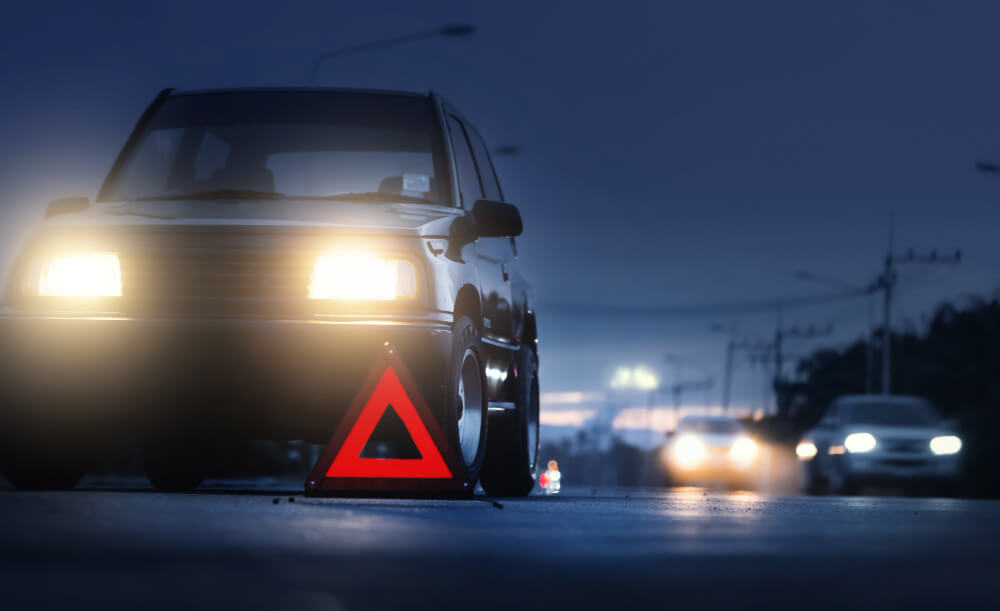
Leaving your car on the roadside overnight is sometimes the least-bad option, but it’s not automatically safe. The risk comes down to where the car is sitting, how visible it is, how fast traffic is moving, and whether it’s likely to be ticketed, towed, or hit. If you’re on a narrow shoulder, a curve, near an intersection, or anywhere drivers won’t see the car in time, it’s usually smarter to arrange help rather than hope it makes it to morning. In the Virginia Beach and Norfolk area, Green Light Towing Service can be reached at 757-938-3378 if you need late-night assistance and don’t feel comfortable leaving the vehicle where it is.
If you’re debating whether to walk away from the car, treat it as a safety decision first and a convenience decision second. A car can be replaced or repaired. You can’t.
Table of Contents
ToggleThe quickest call: when leaving a car overnight is a bad idea
Some locations are simply too risky to “park and come back later.” High-speed roads with a narrow or nonexistent shoulder are at the top of the list, especially if the car is near a bend, at the bottom of a hill, or tucked behind a guardrail where it’s hard to spot. Drivers need time and space to react, and at night or in heavy rain, reaction time shrinks.
It’s also a poor choice when you’re close to areas with strict no-stopping rules or aggressive enforcement, such as certain bridges, tunnel approaches, construction zones, and ramps. Even if the car isn’t hit, it might not be there in the morning.
Weather changes the math. If fog rolls in, rain intensifies, or temperatures drop, a vehicle that was barely visible can become nearly invisible. If the car is in a spot where someone could reasonably drift onto the shoulder, leaving it there overnight exposes it to being sideswiped.
Finally, think about the personal-safety side: if you’re in an isolated area and you don’t feel safe returning alone in the dark, leaving the car may create a second risky trip later. In many cases, it’s better to solve the car problem once, even if it’s late.
First steps if you’re stranded and considering leaving the car
Get yourself to safety before you think about the car
Your first job is getting out of danger. If the car is still movable, the safest move may be creeping to a better spot: a well-lit parking lot, a wider shoulder, or a side street. If it won’t move, focus on where you can wait safely.
On a busy road, staying strapped into your seatbelt with the doors locked can be safer than standing outside near traffic, especially if vehicles are whipping by close to the shoulder. If you can exit the car and get well away from traffic behind a barrier, that may be safer in other situations. The right choice depends on the roadway layout, shoulder width, and traffic behavior. If you’re unsure, err toward staying away from live lanes and avoiding standing between your car and traffic.
Call someone and share your location. Dropping a pin, texting a landmark, or noting the nearest cross street makes it easier for help to find you and gives someone a record of where you were.
Make the car as visible and predictable as possible
Visibility is what keeps a disabled car from becoming a crash. Turn on hazard lights if they work. If you have reflective triangles or flares and it’s safe to place them, use them, but don’t put yourself in danger walking up the shoulder in the dark. Many people get hurt doing “the right thing” in the wrong conditions.
Try to position the vehicle so it’s as far out of the travel lane as possible. Straight wheels and the parking brake help keep it from rolling. If you’re on a slope and the car can’t be moved, turning the wheels away from traffic can reduce the chance it rolls into the roadway if something shifts.
Be cautious about leaving lights on. Parking lights can improve visibility, but they also drain the battery. If you already have a no-start issue, leaving lights on can guarantee it won’t start later. Hazards draw power too, so if the car is going to sit for many hours, battery drain becomes a real concern.
Document the situation
A few quick photos can help later, especially if you need to explain where the car was, what condition it was in, or why it ended up there. Take a photo of the vehicle’s position, any visible damage, and the surrounding area. Note the time and your location. If you end up making an insurance claim or disputing a tow, that record can matter.
What can happen if you leave it: the real risks
The obvious worry is theft or vandalism. A car sitting unattended overnight, especially with bags visible inside, can attract attention. Even if nothing is stolen, a broken window turns an inconvenience into a bigger problem.
Getting hit is another risk people underestimate. Shoulder strikes happen, and they’re more likely at night and in bad weather. A parked car doesn’t have brake lights, doesn’t move predictably, and may be partly in the lane without you realizing it.
Then there’s the “it wasn’t there in the morning” problem. Depending on where the car is left, it may be ticketed, towed, or impounded. Some areas remove disabled vehicles quickly for safety, even if you had a good reason for stopping. Private property adds another layer. A parking lot may look like a safe place to leave a car, but many lots have towing policies, time limits, or enforcement after hours.
Weather can also add damage. Coastal areas can bring sudden downpours, standing water, or salt air. If your window seal is weak or a window is cracked open, water intrusion overnight can soak carpets and electronics.
Legal and policy considerations that can change the answer
Rules about leaving a car overnight vary by roadway type and jurisdiction, and they can change depending on whether the vehicle is disabled, blocking traffic, or considered a hazard. Interstates and major arterials tend to be stricter because a stopped vehicle creates a higher-speed danger zone. Bridges, tunnel approaches, ramps, and construction zones often have additional restrictions.
Private property can be trickier than people expect. Even if a lot is empty at night, the owner may have posted tow-away signs or a policy that triggers towing after business hours. Apartment complexes and HOA-managed areas can be similar.
Because the details vary, focus on what enforcement tends to prioritize: safety and access. If the vehicle is in a place that blocks travel lanes, reduces sight lines, or interferes with emergency access, it’s more likely to be removed quickly.
Where you left it matters: safer vs riskier places
A well-lit parking lot feels safer than a highway shoulder for a reason. Lower speeds, better visibility, and more space reduce the chance of a collision. Still, you have to consider whether you’re allowed to leave it there overnight. If you’re choosing between two imperfect options, a lot that clearly allows overnight parking is usually preferable to a shoulder on a fast road.
Residential streets can be a middle ground when the vehicle is legally parked, out of traffic, and not creating a hazard. Lighting, neighborhood security, and local parking rules all matter.
Highway shoulders are the most unpredictable. A wide shoulder on a straight stretch with good lighting is very different from a narrow shoulder near a curve or exit ramp. If you’re on a bridge, near a tunnel approach, or in an area with minimal shoulder space, leaving the car is much more likely to go wrong.
What to do with valuables and personal information before you leave
If you decide to leave the car, clear out anything that creates unnecessary risk. Take your wallet, electronics, medication, and any bags or packages. If you keep your registration and insurance card in the vehicle, that’s normal, but avoid leaving documents that reveal your home address along with a garage door opener or spare house key. That combination can make a burglary easier.
Do a quick scan for things people forget: spare keys, a work badge, tools, laptops, and mail. Lock the doors and close windows fully. If the trunk has valuables and you can’t remove them, at least keep them out of sight and avoid leaving the cabin looking like a target.
If you plan to return in the morning: reduce the chance it won’t be there
Leaving a car overnight works best when you treat it like a planned recovery, not a gamble. Share the exact location with yourself and someone else. A pin in your phone, a note with a cross street, or a landmark can save you a frustrating search later.
If the vehicle is in a place where it might be considered a hazard, calling a non-emergency number for guidance may help, especially if they can advise whether the car is likely to be tagged or removed. Policies vary, but the goal is the same: avoid surprises.
It also helps to arrange assistance before you go to bed. If you know the car won’t start, has a flat tire you can’t safely change, or is in a risky spot, scheduling a tow or roadside help sooner rather than later reduces the chance of an overnight tow or a collision. This is where a 24-hour roadside assistance provider naturally fits: you’re not trying to “wait it out” when the location itself is the problem.
When it’s smarter to tow it right away
There are plenty of scenarios where waiting until morning creates more risk than it saves. A car that’s partly in a lane, sitting in a blind spot, or stranded on a narrow shoulder is a good example. The same goes for severe weather, poor lighting, or any situation where you’d feel uneasy returning alone.
Mechanical issues can also push the decision toward immediate towing. If the car overheated, lost oil pressure, or made loud mechanical noises before dying, attempting to limp it later can cause expensive damage. A repeated no-start that isn’t obviously a dead battery can also be a sign of a starter or electrical problem, and leaving it overnight doesn’t fix the underlying issue.
And sometimes it’s simply about who’s with you. If you have kids, an elderly passenger, or someone with a medical need, the “wait and come back later” option may not be realistic or safe.
What to do the next day if you left it overnight
Approach the car cautiously, especially if it’s near traffic. Look at the area before you step out of your vehicle, and don’t stand between lanes and your disabled car. Do a quick walk-around check for damage, missing parts, or signs someone tried to get in.
If the car still won’t start, avoid draining the battery further by repeatedly cranking. If you suspect a flat tire, don’t drive on it “just to get it home” because that can destroy the tire and damage the wheel. At that point, getting a tow or roadside help is usually the cleanest solution.
Wrap-up: making the safest call for you and everyone on the road
Leaving your car on the roadside overnight can be workable when it’s in a genuinely safe, legal, visible spot and you have a clear plan to recover it. When the location is risky, enforcement is likely, weather is worsening, or you’re uncomfortable returning later, handling it immediately is often the safer choice.
If you’re in the Virginia Beach and Norfolk area and need help getting a disabled vehicle out of an unsafe spot at any hour, Green Light Towing Service is available at 757-938-3378. We can help you make the situation safer and get the vehicle where it needs to go without turning an overnight wait into a bigger problem.


