The moment a wheel lift tow truck hooks up to your car, a reasonable concern surfaces: is this going to cause more damage than you started with? Transmission damage from improper towing is a real possibility, but whether wheel lift towing poses that risk depends largely on your vehicle’s drivetrain and how the job is handled. This article breaks down exactly how wheel lift towing interacts with your transmission, which vehicles face the most risk, and what you should know before a tow truck ever touches your car. For Virginia Beach drivers who want straightforward answers alongside reliable wheel lift towing service, Green Light Towing Service is available 24 hours a day at 1 (469) 269-5499.
How Wheel Lift Towing Works
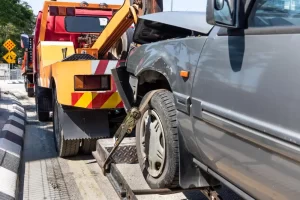
Wheel lift towing uses a metal yoke to cradle either the front or rear wheels of a vehicle and lift them several inches off the ground. The remaining pair of wheels stays in contact with the road surface and rolls along during transport.
This is different from flatbed towing, where the entire vehicle is loaded onto a flat platform and all four wheels leave the ground completely. Wheel lift towing is a widely used and legitimate method, and for many vehicles it presents no complications at all. The critical detail is which wheels are lifted and which wheels are rolling, because that directly determines what happens inside the drivetrain.
Why the Transmission Gets Involved
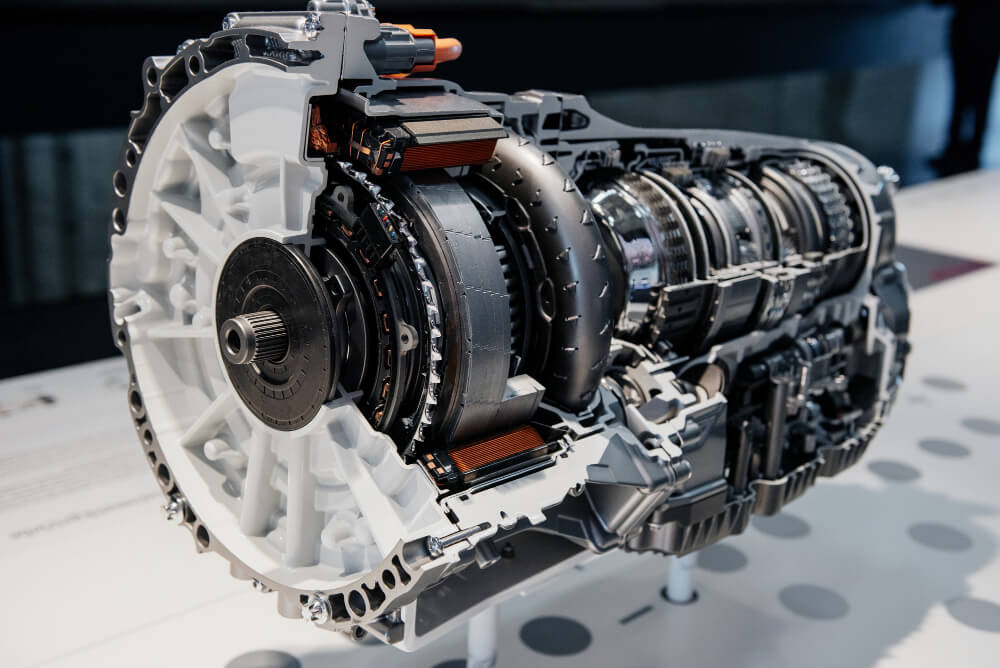
When a vehicle’s wheels roll, they do more than move the car forward. They turn components connected to the drivetrain, including the driveshaft, differential, and in some cases, the transmission itself. Under normal driving conditions, the engine and transmission work together to manage this movement, and transmission fluid circulates to keep everything properly lubricated.
During a wheel lift tow, the engine is off. If the rolling wheels are connected to the transmission, internal components begin moving without the lubrication system in operation. Over short distances this may cause little to no harm, but over longer hauls, it can generate heat and friction in parts that are not designed to run dry. This is the core reason transmission damage from towing is a legitimate concern, not just an urban myth. The risk, however, is not the same for every vehicle.
How Your Drivetrain Type Changes the Risk
The drivetrain configuration of your vehicle is the single most important factor in determining whether wheel lift towing poses a transmission risk. Here is how it breaks down.
Front-Wheel Drive Vehicles
Front-wheel drive vehicles send power from the engine and transmission to the front axle only. When a tow truck lifts the rear wheels and lets the front wheels stay on the ground, the driven wheels are elevated and stationary. The rear wheels that are rolling have no direct connection to the transmission. For most front-wheel drive vehicles, a rear wheel lift tow over a reasonable distance is generally considered safe.
Rear-Wheel Drive Vehicles
Rear-wheel drive vehicles work in the opposite direction. Power flows to the rear axle, which means the front wheels are not directly connected to the transmission. A front wheel lift on a rear-wheel drive vehicle lifts the non-driven wheels, but the driven rear wheels remain on the ground. In this configuration, the driveshaft can spin during transport and may cause problems. A proper rear wheel lift or a flatbed is the safer approach for rear-wheel drive vehicles.
All-Wheel Drive and Four-Wheel Drive Vehicles
All-wheel drive and four-wheel drive vehicles carry the highest risk with wheel lift towing. In these vehicles, all four wheels are connected through the drivetrain, either constantly or through a transfer case. Lifting one axle while the other rolls means drivetrain components are turning without the engine running and without lubrication flowing through the system.
This is particularly relevant in Virginia Beach, where AWD crossovers and 4WD trucks are extremely common among daily drivers and military personnel stationed near Naval Station Norfolk. For these vehicles, flatbed towing is strongly recommended regardless of the tow distance. Even a short wheel lift tow can introduce stress to the transfer case or differentials that may not surface immediately but causes problems over time.
When Wheel Lift Towing Is Safe and When It Is Not
Wheel lift towing is not an inferior method. It is efficient, practical, and entirely appropriate in the right situation. The problem arises when it is applied without considering the vehicle’s drivetrain.
Wheel lift towing is generally considered safe when:
- The vehicle is front-wheel drive and is lifted from the rear axle
- The vehicle is rear-wheel drive and the tow operator manages the driveshaft correctly
- The tow covers a short distance and the operator has confirmed the drivetrain configuration before loading
Wheel lift towing carries meaningful risk when:
- The vehicle is AWD or 4WD and the drivetrain cannot be fully disengaged
- The tow covers a long distance with driven wheels on the ground
- The vehicle already has existing drivetrain damage that makes any movement more dangerous
Distance matters even in lower-risk scenarios. A vehicle that might tolerate a short wheel lift tow without incident could sustain measurable damage over a longer haul under the same conditions.
Signs Your Transmission May Have Been Affected After a Tow
If you suspect a recent tow may have caused harm, your vehicle will usually give early signals. Watch for the following in the days after transport:
- Delayed or rough shifting between gears during normal acceleration
- Slipping, where the engine revs but the vehicle hesitates to move forward
- Unusual whining, humming, or grinding sounds during acceleration or at highway speed
- A burning smell, which can indicate overheated or degraded transmission fluid
- Red or brown fluid pooling underneath the vehicle after it has been parked
- A transmission warning light appearing on the dashboard
None of these symptoms should be written off as routine wear, especially if the vehicle was running normally before the tow. If you notice any of these signs following a tow, have a qualified mechanic inspect the transmission before the issue gets worse.
What to Do Before Your Car Gets Towed
Knowing your vehicle’s drivetrain type before a tow truck arrives gives you a concrete advantage. It takes less than a minute to check your owner’s manual or look up your vehicle’s drivetrain specs online, and that single piece of information helps you have a much more informed conversation with the operator on the scene.
Before the tow begins, ask the operator directly which wheels they plan to lift. A knowledgeable towing professional will ask about your drivetrain before selecting a method, not after. If you drive an AWD or 4WD vehicle, make the flatbed request upfront and explain why. A reputable towing service will work with you to identify the safest loading approach for your specific vehicle rather than applying a one-size-fits-all method.
Conclusion
Wheel lift towing can cause transmission damage, but only under specific conditions, most notably when the vehicle is AWD or 4WD, when driven wheels are left to roll during transport, or when the tow covers a significant distance without proper drivetrain consideration. For many vehicles, wheel lift towing is completely appropriate when carried out by an operator who understands the method and knows what to assess before loading.
Virginia Beach drivers who want that level of care can reach us at Green Light Towing Service by calling 1 (469) 269-5499. We are available 24 hours a day, seven days a week, and we assess your vehicle before selecting a tow method so you are not left wondering whether the ride to the shop made things worse.