That 1967 Mustang in your garage isn’t just a car—it’s automotive history and likely one of your most treasured possessions. When it comes time for vintage car transport across state lines or across the country, the stakes are considerably higher than moving a modern vehicle. Classic cars demand specialized care during transport to preserve their value, integrity, and unique character.
Here in Virginia Beach, the classic car community has grown substantially, with collectors understanding that proper vintage car transport is crucial for protecting investments that often appreciate rather than depreciate. At Green Light Towing Service, we’ve helped countless classic car owners safely transport their prized possessions. Our team understands the unique requirements these automotive treasures demand. If you’re planning to transport your classic car, you can reach us at 757-938-3378 for specialized advice.
In this guide, we’ll explore why vintage cars require special consideration, how to prepare your classic for the journey, transport methods available, how to select a qualified provider, and what to expect during and after the process.
Why Vintage Car Transport Requires Special Handling
Classic cars aren’t built like modern vehicles. They lack many of the durability features we take for granted today, and their value often lies in preserving their originality.
Several factors make vintage cars particularly vulnerable during transport:
- Original finishes and materials: Many classics still sport their factory paint or irreplaceable chrome that can be easily damaged by improper handling or exposure to the elements.
- Fragile components: Vintage cars often feature delicate trim pieces, emblems, and accessories that may have become brittle with age and are difficult or impossible to replace.
The mechanical differences also matter significantly. Older vehicles typically have less robust braking systems, more fragile suspensions, and components that aren’t designed to withstand the stresses of modern transport methods. Unlike most modern cars, classics often appreciate in value. A 1970 Dodge Challenger in excellent condition might be worth tens or even hundreds of thousands of dollars, making any transport damage particularly costly.
The age of these vehicles also means they may have developed unique quirks over decades of existence. What works for transporting a 2023 sedan simply won’t suffice for your cherished 1955 Thunderbird. While you might confidently drive a modern vehicle across several states without worry, subjecting a vintage car to hundreds or thousands of miles on modern highways can lead to excessive wear, overheating issues, or mechanical failures that could potentially diminish its value or authenticity. Additionally, many classic car owners have invested significant time and money in restoration, making professional transport the safer option for preserving that investment.
Preparing Your Vintage Car for Transport
Proper preparation is perhaps the most critical phase of successful vintage car transport. Taking the time to thoroughly document, secure, and prepare your vehicle can prevent heartache later.
Documentation and Insurance
Before your classic leaves your possession:
- Take detailed photographs of every angle of the vehicle, including close-ups of any existing damage or areas of concern.
- Create a written condition report noting any mechanical issues or aesthetic imperfections.
- Verify your insurance coverage specifically for transport. Standard classic car policies may not cover transit without additional riders.
Don’t forget to document all special starting procedures, quirks, or handling instructions for the transport company. Having this documentation serves two purposes: it provides evidence of the car’s condition before transport and gives the transport company vital information for properly handling your vehicle.
Mechanical Preparations
Your vintage car needs specific mechanical attention before transport. Check and top off all fluids, but avoid overfilling the gas tank (keep it at 1/4 tank for safety). Ensure the battery is secure and either disconnected or equipped with a disconnect switch to prevent drainage during transit.
Tire pressure and condition require special attention, as vintage tires may need specific considerations before transport. Take time to secure or remove any loose parts or accessories that could detach during transit, and disable or properly set alarm systems to prevent them from activating unexpectedly or draining the battery.
Aesthetic Preparations
Protecting your classic’s appearance requires thoughtful preparation:
- Clean the exterior thoroughly so you can more easily identify any new marks post-transport.
- Remove or secure convertible tops in their proper position to prevent damage.
- Apply a light coat of wax for additional protection against environmental elements.
- Consider covering especially delicate chrome or trim pieces with protective foam.
These preparation steps might seem excessive, but they’re essential for preserving both the monetary and sentimental value of your vintage vehicle.
Vintage Car Transport Methods: Finding the Right Fit
Not all transport methods are created equal when it comes to moving your classic car. Each offers different levels of protection and comes with its own price point.
Enclosed Transport
The gold standard for vintage car transport is enclosed transport, where your vehicle travels in a fully enclosed trailer, completely protected from weather and road debris. This method provides complete protection from environmental hazards and enhanced security against theft or vandalism. Your classic won’t be exposed to road debris or weather conditions during the journey.
Benefits include:
- Complete protection from environmental hazards
- Enhanced security against theft or vandalism
- Often includes air-ride suspension for smoother transport
- Typically handled by drivers specializing in high-value vehicles
The primary drawback is cost, as enclosed transport generally runs 40-60% higher than open transport options. For truly valuable classics, however, this premium is often well worth the investment.
Open Transport
Open transport involves moving your vintage car on an exposed carrier, similar to those used to deliver new cars to dealerships. This option is more affordable than enclosed alternatives and more widely available, generally allowing for faster scheduling.
While still professional, open transport offers less protection from the elements and may be more suitable for driver-quality classics rather than show cars. It offers good protection from road wear while still exposing the vehicle to weather conditions. For shorter moves or less valuable classics, open transport strikes a reasonable balance between protection and cost.
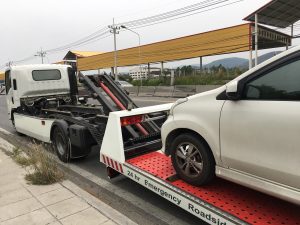
Flatbed Towing for Vintage Car Transport
For shorter distances, premium flatbed towing offers several advantages for vintage cars:
- Door-to-door service with minimal handling
- No additional loading and unloading at terminals
- Direct oversight of your vehicle throughout the transport
- Often the best option for non-running classics
This method is particularly popular for transport within Virginia or to neighboring states, where the higher per-mile cost is offset by the shorter distance.
Selecting a Qualified Vintage Car Transport Provider
The right transport provider makes all the difference in your classic car’s journey. Experience is perhaps the most critical factor when choosing a transporter for your vintage vehicle.
Experience Matters
When evaluating potential transporters, ask how many years they’ve been transporting classic or vintage vehicles specifically. Inquire whether they have experience with your particular make and model, as different classics present unique challenges.
Important questions to ask include:
- How many years have they been transporting classic or vintage vehicles?
- Can they provide references from other classic car owners?
- What specialized equipment do they use for vintage vehicles?
Insurance Verification
Never entrust your classic to a company without thoroughly verifying their insurance coverage. Their cargo insurance coverage limits should be at least $250,000 for valuable classics. Confirm that their policy specifically covers vintage or collector vehicles, as some general policies have exclusions for older vehicles.
Inquire about any policy exclusions that might affect your car, and understand their claims process and history before making your decision. A reputable company will be transparent about their insurance coverage and claims handling.
Handling Procedures
Quality vintage car transporters will be happy to discuss their specific procedures for your vehicle. Ask how they’ll load and secure your specific vehicle and what procedures they follow for handling non-running classics. Inquire about their drivers’ qualifications and experience with vintage cars, and understand their communication protocols during transport.
At Green Light Towing Service, we’ve invested in specialized equipment and training specifically for vintage car transport. Our experience with classic vehicles throughout Virginia Beach and beyond has taught us that these automotive treasures deserve extraordinary care.
During and After Vintage Car Transport: What to Expect
Once your classic is on its way, stay engaged in the process to ensure everything goes smoothly. Quality transport companies provide regular updates on your vehicle’s location and immediate notification of any delays or issues. You should expect direct contact with the driver when needed and regularly updated estimated delivery times.
Delivery Inspection
When your vintage car arrives:
- Conduct a thorough inspection before signing any delivery receipts
- Compare the vehicle’s condition to your pre-transport documentation
- Check underneath the car for any leaks or damage
- Test all functions if the car is operational
- Document any concerns immediately
After delivery, give your classic some attention before returning to regular use. Check all fluid levels before starting the engine, inspect tire pressure and condition, and look for any loose connections that may have occurred during transit. Take the car for a gentle test drive before resuming normal driving patterns.
Protecting Your Classic Through Proper Transport
Your vintage car is both a connection to automotive history and a significant investment. Choosing the right transport method and provider is essential for preserving its value and condition. The care required for vintage car transport maintains your classic’s integrity for years to come.
Green Light Towing Service understands the unique requirements of vintage car transport and offers specialized services for classic car owners throughout Virginia Beach. For personalized advice about transporting your automotive treasure, contact us at 757-938-3378.
With proper planning and the right transport partner, your classic can safely travel anywhere, ready to turn heads for many more years to come.