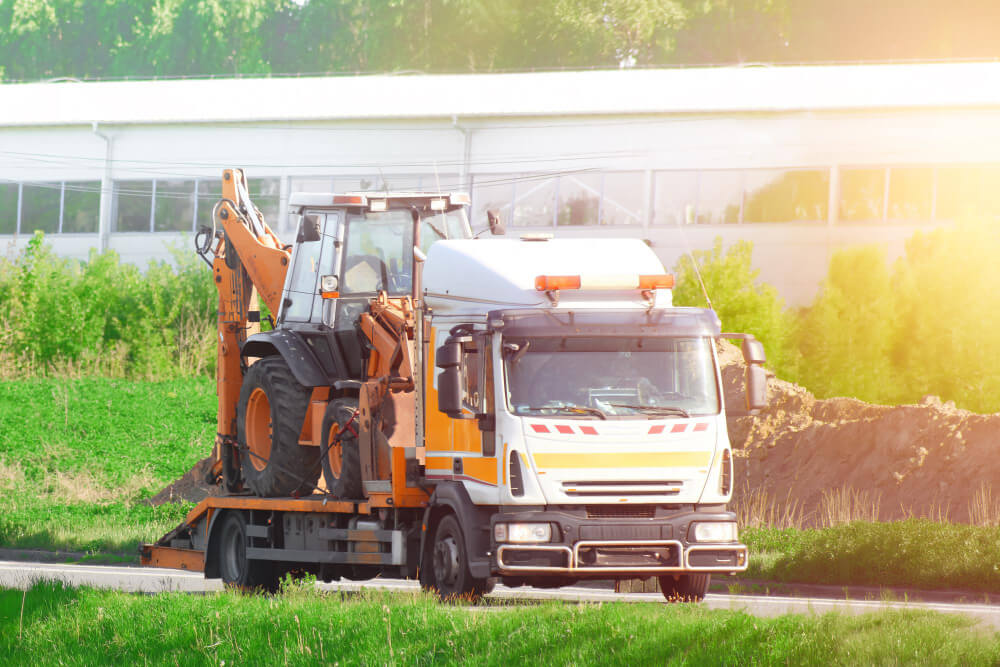
A 30-ton excavator sits motionless at a construction site, its hydraulic system completely failed just as the project reaches a critical deadline. Standard towing services can’t handle equipment of this size and weight, leaving the entire crew idle while costs mount. Heavy equipment towing requires specialized recovery vehicles and expertise that most construction managers don’t consider until machinery breakdowns bring their operation to a halt. At Green Light Towing Service, we have the heavy-duty equipment needed for construction machinery recovery throughout the Virginia Beach area. You can reach us at 757-938-3378 for specialized heavy equipment towing services.
This guide explains why construction machinery requires specialized recovery equipment, the unique challenges of heavy equipment breakdowns, and how proper recovery planning protects project schedules and equipment investments.
Understanding Heavy Equipment Transportation Challenges
Heavy equipment presents recovery challenges that standard towing services cannot address safely or effectively. Construction machinery differs significantly from passenger vehicles in weight, size, and structural design, requiring specialized knowledge and equipment for safe transport.
Construction equipment typically weighs significantly more than standard vehicles, with excavators, bulldozers, and cranes often exceeding the capacity limits of conventional tow trucks. The weight distribution, attachment points, and operational positions of heavy machinery create unique recovery requirements that demand specialized expertise.
Project schedules depend heavily on equipment availability, making rapid recovery essential for maintaining construction timelines. When key machinery becomes disabled, entire work crews may become idle, multiplying the cost impact beyond just the equipment repair expenses.
Common Heavy Equipment Breakdown Scenarios
Hydraulic System Failures
Hydraulic system failures represent one of the most common heavy equipment breakdowns, often leaving machinery in extended or awkward positions that complicate recovery efforts. Complete hydraulic loss can strand equipment with booms extended, blades raised, or other attachments in positions that affect transport clearance and weight distribution.
Hydraulic fluid leaks create additional challenges during recovery operations, requiring environmental protection measures and careful handling to prevent contamination of job site areas or transport vehicles.
Engine and Drivetrain Problems
Engine failures in heavy equipment often occur under demanding operating conditions, leaving machinery in remote or difficult-to-access areas of construction sites. Overheating, fuel system problems, and transmission failures can disable equipment in locations where standard recovery vehicles cannot operate effectively.
Modern construction equipment relies heavily on computerized engine management systems that can fail due to environmental conditions, electrical problems, or sensor malfunctions, requiring diagnostic capabilities that field repair may not be able to provide.
Track and Mobility Issues
Tracked equipment faces unique breakdown scenarios when tracks become damaged, thrown, or stuck in soft ground conditions. These situations often require specialized rigging and winching techniques to extract equipment from challenging positions before transport can begin.
Wheeled heavy equipment can experience tire failures, axle problems, or become mired in soft ground, requiring recovery techniques that differ significantly from standard vehicle towing procedures.
Why Standard Towing Methods Fail for Heavy Equipment
Standard passenger vehicle towing equipment lacks the capacity, reach, and stability required for safe heavy equipment recovery. The fundamental differences in weight, size, and construction between passenger vehicles and construction machinery make conventional towing methods inadequate and potentially dangerous.
Weight capacity limitations of standard tow trucks become apparent when dealing with construction equipment that can weigh many times more than the heaviest passenger vehicles. The structural loads, ground pressure, and stability requirements exceed what conventional towing equipment can handle safely.
Attachment point differences between passenger vehicles and construction equipment require specialized knowledge and rigging techniques. Heavy machinery lacks standard towing attachment points and may require custom rigging solutions to distribute lifting forces properly across the equipment frame and structure.
Access limitations on construction sites often prevent standard tow trucks from reaching disabled equipment. Soft ground, narrow access routes, overhead obstructions, and other site conditions require specialized recovery vehicles with enhanced mobility and reach capabilities.
Specialized Heavy Equipment Towing Solutions
Heavy-Duty Recovery Vehicles
Rotator trucks and heavy-duty wreckers provide the lifting capacity and reach needed for construction equipment recovery. These specialized vehicles can handle the weight and size requirements of heavy machinery while providing precise control during lifting and positioning operations.
The boom reach and lifting capacity of heavy-duty recovery trucks allow operators to access equipment in challenging positions and provide the mechanical advantage needed to safely lift and position heavy machinery for transport.
Specialized Transport Equipment
Lowboy trailers offer the deck height and weight capacity needed for transporting heavy construction equipment safely. The low deck design accommodates equipment height while distributing weight appropriately for highway transport.
Multi-axle configurations provide the weight distribution and stability required for safe transport of heavy equipment, ensuring compliance with highway weight limits and maintaining vehicle control during transport operations.
Rigging and Winching Techniques
Professional rigging techniques distribute lifting forces safely across equipment structures, preventing damage to frames, attachments, and hydraulic systems during recovery operations. Proper rigging requires understanding of equipment construction and load distribution principles.
Winching systems provide the pulling power needed to extract equipment from difficult positions, whether stuck in soft ground or positioned in areas where direct lifting is not possible.
Safety Considerations During Heavy Equipment Recovery
Heavy equipment recovery operations involve significant safety risks due to the weight, size, and complexity of the machinery involved. Professional recovery services follow established safety protocols to protect personnel and prevent additional equipment damage during recovery operations.
Job Site Safety Protocols
Establishing safe work zones around disabled equipment protects both recovery personnel and construction workers during lifting operations. Clear communication and coordination between recovery crews and site personnel prevent accidents and ensure efficient operations.
Environmental considerations include protecting ground surfaces from heavy recovery vehicles, managing hydraulic fluid spills, and ensuring that recovery operations don’t create additional site hazards or delays.
Equipment and Personnel Safety
Personal protective equipment requirements for heavy equipment recovery exceed those for standard vehicle towing due to the increased forces and complexity involved in heavy machinery recovery operations.
Communication systems and coordination procedures ensure that all personnel understand their roles during complex recovery operations, preventing accidents caused by miscommunication or unclear procedures.
Planning for Equipment Recovery Emergencies
Proactive planning for heavy equipment breakdowns minimizes project delays and reduces recovery costs when machinery failures occur. Construction managers who plan ahead have better options and faster response times during equipment emergencies.
Pre-Project Considerations
Identifying potential recovery challenges during project planning helps managers prepare for equipment breakdown scenarios. Understanding site access limitations, nearby recovery resources, and equipment requirements allows for better emergency response preparation.
Establishing relationships with qualified heavy equipment recovery services before breakdowns occur provides faster response times and ensures appropriate equipment availability when needed.
Emergency Response Protocols
Clear procedures for equipment breakdown situations help construction personnel make appropriate decisions quickly, minimizing downtime and ensuring proper recovery methods. Having established protocols prevents delays caused by uncertainty about proper procedures.
Documentation requirements for insurance and safety compliance should be understood before emergencies occur, ensuring that proper records are maintained during recovery operations.
Cost Management and Recovery Planning
Heavy equipment recovery costs vary significantly based on equipment size, breakdown location, and recovery complexity. Understanding these factors helps construction managers make informed decisions about repair versus recovery locations and service provider selection.
Insurance considerations for heavy equipment recovery may differ from standard vehicle coverage, particularly regarding specialized recovery techniques and equipment transport requirements.
Working with experienced heavy equipment recovery specialists provides access to appropriate equipment and expertise while ensuring that recovery operations meet safety and insurance requirements.
Making the Right Choice for Heavy Equipment Recovery
Heavy equipment towing requires specialized vehicles, rigging expertise, and safety protocols that standard passenger vehicle services cannot provide. Construction equipment breakdowns demand professional recovery operations that protect expensive machinery while minimizing project delays.
The complexity and weight of construction equipment make proper recovery techniques essential for preventing additional damage during transport. Professional heavy equipment recovery services have the tools and knowledge needed to handle machinery safely and efficiently.
When construction equipment failures threaten your project schedule in the Virginia Beach area, Green Light Towing Service has the specialized heavy-duty equipment and expertise needed to recover your machinery safely and professionally. Contact us at 757-938-3378 for heavy equipment towing services that protect your investment and keep your construction projects moving forward.